

Insurance is an essential aspect of financial planning and risk management in India. It provides individuals and businesses with a safety net, protecting them from unforeseen circumstances and providing financial support during difficult times. As one of the fastest-growing economies globally, India’s insurance sector has witnessed significant growth and transformation in recent years. In this blog post, we will delve into the key aspects of insurance in India, exploring its types, benefits, challenges, and the current state of the insurance market.
Types of Insurance in India
The Indian insurance market offers a wide array of insurance products catering to various needs. The most common types of insurance include life insurance, health insurance, motor insurance, home insurance, and travel insurance. Life insurance provides financial protection to the policyholder’s family in the event of their demise, while health insurance covers medical expenses. Motor insurance is mandatory for vehicle owners to protect against accidents and third-party liabilities, whereas home insurance safeguards properties from damages due to natural calamities or accidents. Travel insurance, on the other hand, provides coverage for unforeseen events while traveling.

Benefits of Insurance
The benefits of having insurance cannot be overstated. For individuals, insurance offers peace of mind, knowing that their loved ones will be financially secure in case of any unfortunate event. It encourages a culture of savings and long-term financial planning. For businesses, insurance protects against potential losses, allowing them to focus on growth and expansion without worrying about unexpected setbacks. Additionally, insurance also plays a crucial role in promoting social and economic stability by reducing the burden on the government and society during times of crises.
Challenges in the Insurance Sector
While the insurance sector in India has made significant strides, it also faces certain challenges. One of the main hurdles is the lack of awareness and understanding among the masses about insurance products and their importance. Many people in rural areas remain untouched by insurance, necessitating enhanced outreach and education efforts. Additionally, fraudulent activities and mis-selling practices have marred the industry’s reputation, emphasizing the need for stricter regulations and consumer protection measures.
Regulatory Framework
The insurance sector in India is regulated by the Insurance Regulatory and Development Authority of India (IRDAI). The IRDAI plays a crucial role in framing policies, promoting competition, and protecting the interests of policyholders. It ensures that insurance companies maintain sufficient financial reserves and adhere to ethical practices. The regulatory framework has evolved to accommodate new market dynamics and encourage innovation, leading to the emergence of specialized insurance products tailored to the unique needs of customers.
Penetration and Growth
Despite the challenges, the Indian insurance sector has been witnessing remarkable growth. The increasing awareness of insurance products, rising disposable incomes, and a growing middle-class population have contributed to higher insurance penetration. Insurers have also adapted to the digital age, offering online policies and streamlined processes to attract tech-savvy consumers. However, there is still untapped potential, especially in the health insurance segment, which calls for continuous efforts to reach out to more customers.
Conclusion
In conclusion, insurance in India is a vital component of financial planning and risk management. It provides individuals and businesses with a safety net against uncertainties, ensuring financial security and stability. While the industry faces challenges, it continues to grow and evolve with the support of robust regulatory measures. As awareness spreads and innovative solutions emerge, insurance in India is poised to play an even more significant role in safeguarding the nation’s future. Whether you’re an individual or a business owner, understanding and investing in insurance can be a prudent decision that grants you peace of mind and protects your financial interests in the long run.
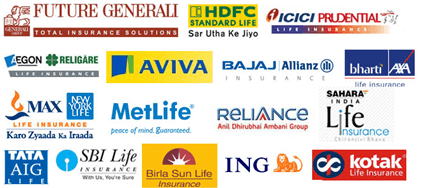
Life Insurance Companies In India:
Life Insurance Corporation of India (LIC):
Merits: LIC is the largest and oldest life insurance company in India, with a vast network of branches and agents across the country. It offers a wide range of life insurance products to suit various needs, including term plans, endowment policies, and pension plans. LIC’s brand reputation and strong financial stability make it a preferred choice for many customers.
Demerits: LIC’s sheer size and bureaucracy can sometimes lead to slower claim settlements and customer service. Additionally, its product offerings may lack some of the innovative features and customization options available with private insurers.
HDFC Life Insurance:
Merits: HDFC Life is one of the leading private life insurance companies in India, known for its diverse product portfolio, customer-centric approach, and efficient claims settlement process. It offers innovative plans with flexible features, providing customers with a wide range of choices.
Demerits: The premium rates of private insurers like HDFC Life can be higher compared to LIC, and their market presence might not be as widespread as the state-owned behemoth.
SBI Life Insurance:
Merits: SBI Life is a joint venture between the State Bank of India and BNP Paribas Cardif, providing customers with a blend of financial expertise and global presence. The company offers a range of comprehensive life insurance products backed by SBI’s extensive banking network.
Demerits: Like other private insurers, SBI Life may have higher premiums compared to LIC. Moreover, customers who are not associated with SBI might not find its products as accessible or attractive.
General Insurance Companies:
New India Assurance Company:
Merits: New India Assurance is one of the oldest and largest general insurance companies in India, providing a wide range of non-life insurance products, including motor, health, travel, and property insurance. Its extensive network and experience in the market make it a reliable choice.
Demerits: The claim settlement process of public sector insurers like New India Assurance may be perceived as slow and bureaucratic at times.
ICICI Lombard General Insurance:
Merits: ICICI Lombard is a leading private general insurance company, known for its efficient claim settlement process, a wide range of products, and a strong presence in urban areas. The company’s digital initiatives have also made insurance more accessible to customers.
Demerits: The premium rates offered by private insurers like ICICI Lombard may be higher compared to public sector companies.
Oriental Insurance Company:
Merits: Oriental Insurance is another well-established public sector general insurance company with a diverse product range and a strong focus on customer service.
Demerits: Similar to other public sector insurers, customers might face delays in claim settlement and a lack of customized products.
It’s essential to conduct thorough research and compare the products and services offered by various insurance companies before making a decision. Additionally, factors such as customer reviews, claim settlement ratio, and the financial stability of the company should also be considered. Always consult with a qualified insurance advisor to make an informed choice based on your specific needs and circumstances.